
What the causes of joint pain or Arthritis
Autoimmune diseases
Injury or fracture
Osteoarthritis
Unusual exertion or overuse, including strains or sprains


Arthritis or joint pain is characterized by damage to the joint organ. The most commonly affected joints include the knees. The pain and stiffness resulting from osteoarthritis impair function in patients’ basic activities of daily living, severely affecting their quality of life. The prescription of regular exercise is a first-line treatment to reduce pain and improve function.
Is a class will help you in learning how yoga can promote flexibility and joint health. Yoga is indeed a fantastic practice for enhancing flexibility and supporting joint mobility
What the causes of joint pain or Arthritis
Autoimmune diseases
Injury or fracture
Osteoarthritis
Unusual exertion or overuse, including strains or sprains
Who benefit from this class? People with...
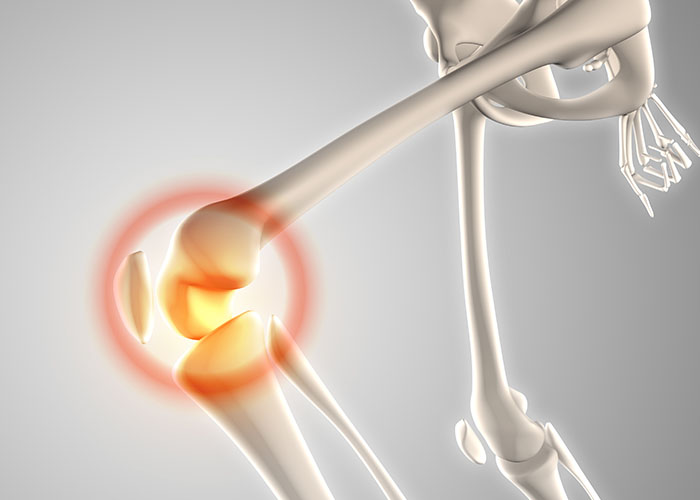
Osteoarthritis

Rheumatoid Arthritis
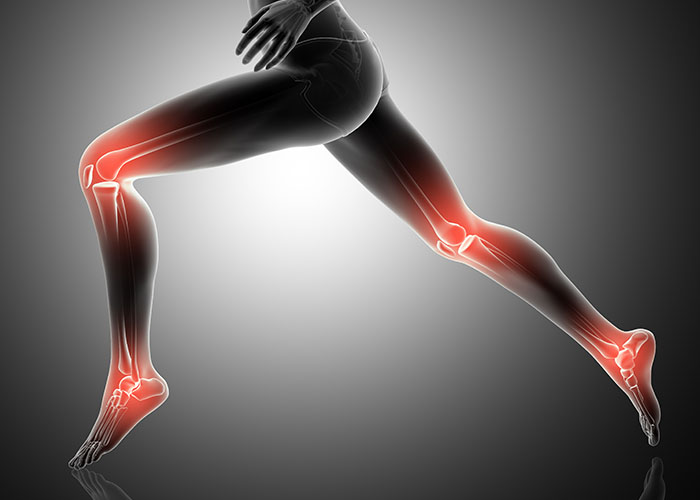
Joint Pains

Geriatric
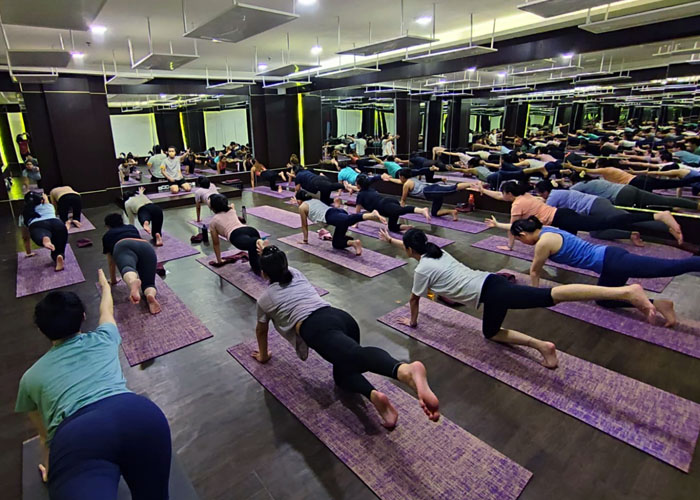
Want to be healthy
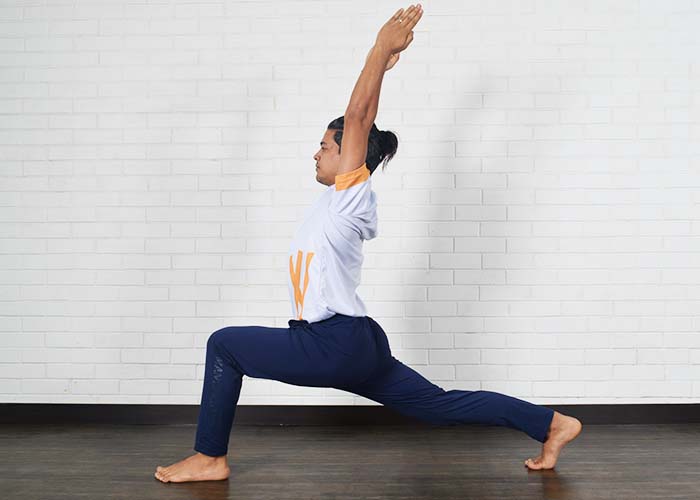
What are the Risk factors to get the joints pain or arthritis
The risk of osteoarthritis increases with age
Carrying extra body weight contributes to osteoarthritis in several ways, and the more you weigh, the greater your risk. Increased weight adds stress to weight-bearing joints, such as your hips and knees. Also, fat tissue produces proteins that can cause harmful inflammation in and around your joints
If your job or a sport you play places repetitive stress on a joint, that joint might eventually develop osteoarthritis
Some people inherit a tendency to develop osteoarthritis
Some people are born with malformed joints or defective cartilage
These include diabetes and a condition in which your body has too much iron (hemochromatosis)
When practicing yoga for flexibility and joint health, it's important to keep a few things in mind
Consistency
Warm-up
Modifications
Listen to Your Body
Here's how yoga can help make your joints flexible
In this class involves a range of stretches and poses that target different muscle groups and joints. These stretches help lengthen muscles and improve joint flexibility over time.
Healthy movements that gently take joints through their full range of motion. This can help lubricate the joints and prevent stiffness
In yoga poses, you often hold a position for a period of time before releasing. This can encourage muscles and joints to adapt and become more strength while maintaining stability
Yoga emphasizes balanced development, which means that as you work on flexibility, you’re also building strength to support those flexible ranges of motion, reducing the risk of injury
Breathing techniques practiced in yoga help relax muscles and encourage a greater range of motion. Deep and controlled breathing can help release tension in the muscles around the joints
Yoga encourages awareness of your body’s sensations and limitations. This awareness can prevent overstretching and allow you to tailor your practice to your body’s needs
Tight muscles can contribute to joint discomfort. Yoga’s focus on relaxation can help alleviate muscle tension, which in turn can ease pressure on joints
Certain yoga poses can help correct posture imbalances, which can lead to better joint alignment and reduced strain on joints over time
For individuals recovering from joint pain or arthritis, yoga can be an effective part of rehabilitation programs. Its gentle movements and focus on gradual progress make it suitable for various stages of recovery
Yoga is not just a physical practice; it encompasses mental, emotional, and spiritual dimensions as well. This holistic approach contributes to a sense of well-being, fostering positive emotions and an improved outlook on life, which in turn can positively influence on your musculoskeletal flexibility and health
Remember that while yoga can certainly contribute to flexibility and joint health, it might not be a cure-all for joint issues. If you have specific joint conditions or concerns, it’s wise to consult with a medical professional before starting a new exercise regimen