


RELAX AND RENEW
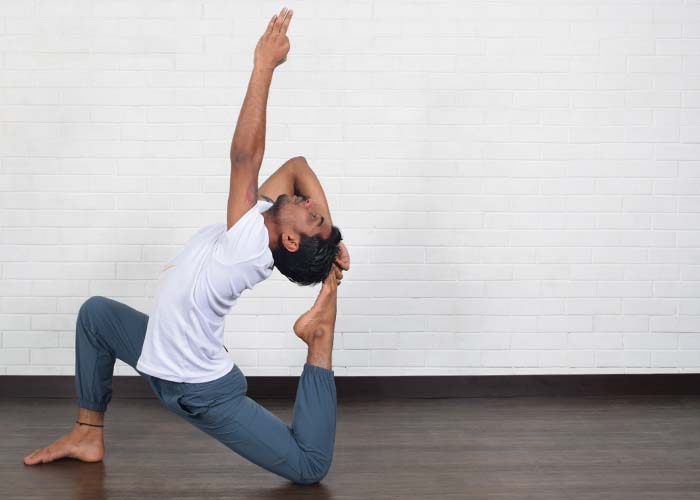
Stress is often described as the “speed of the mind” in English. “Stress Management” suggests the idea of using yoga and meditation as a tool to calm down the mind and reduce this mental speed, helping individuals find peace, relaxation, and balance
What are the types of Stress
There are two primary types of stress:
Acute Stress
This is short-term stress often caused by immediate challenges, like a job interview or a traffic jam. Example: Rushing to meet a deadline
Chronic Stress
This is prolonged stress, usually resulting from ongoing situations, like financial difficulties or long-term health issues. Example: Constant work pressure over several months

Some key elements of the yogic perspective on stress:
Yoga teaches that stress arises from an imbalance in the flow of energy (prana) within the body. When the energy is blocked or disrupted, it can lead to physical and mental tension
Yogic philosophy emphasizes the concept of the “monkey mind,” where the mind constantly races with thoughts, worries, and desires. This constant mental chatter contributes to stress. Yoga encourages detachment from the mind’s fluctuations and helps individuals observe their thoughts without being consumed by them
In yoga, the breath is a powerful tool for managing stress. Pranayama practices help regulate and calm the breath, which in turn calms the mind and reduces stress. Techniques like deep abdominal breathing and alternate nostril breathing are commonly used for this purpose
Physical postures (asanas) in yoga are designed to release physical tension and improve flexibility. When the body is relaxed and balanced, it can help alleviate stress
Yoga incorporates mindfulness practices and meditation to cultivate present-moment awareness. By staying fully present, individuals can reduce anxiety about the past or future, which are common sources of stress
In yoga, stress is not solely seen as a physical or mental issue but as a holistic imbalance in the body and mind. By addressing all aspects of one’s being—physical, mental, and energetic—yoga seeks to reduce and ultimately eliminate stress practices and meditation to cultivate present-moment awareness. By staying fully present, individuals can reduce anxiety about the past or future, which are common sources of stress
Who benefit from this class? People with...

Cardiovascular Problems

Weakened Immune System

Digestive Issues

Sleep Disturbances

Anxiety

Mood Swings

Muscle Tension

Fatigue

Skin Issues
How Yoga Helps in Stress Management?
Yoga is a holistic practice that can be highly effective in managing stress. Here’s how it helps:
Yoga involves various physical postures and stretches that help release tension and promote relaxation in the muscles. This physical relaxation can have a direct impact on reducing stress levels, as it allows the body to let go of built-up physical tension
Yoga emphasizes controlled breathing techniques, such as pranayama. Deep and mindful breathing can calm the nervous system and reduce the production of stress hormones like cortisol. It helps you stay focused and relaxed in stressful situations
Yoga often includes mindfulness and meditation practices. These techniques encourage you to stay present in the moment, rather than worrying about the past or the future. This can significantly reduce mental stress and anxiety
Regular yoga practice can help regulate the endocrine system, which controls the release of hormones, including stress hormones like cortisol. By reducing cortisol levels, yoga can alleviate stress and its associated symptoms
Stress often disrupts sleep patterns, leading to insomnia or poor sleep quality. Yoga can improve sleep by promoting relaxation and reducing anxiety, which, in turn, helps manage stress more effectively
Through yoga, you develop a greater awareness of your body and mind. This self-awareness can help you identify stress triggers and early signs of stress, allowing you to take proactive steps to manage it
Many people practice yoga in group classes or communities. This social aspect can provide emotional support and a sense of belonging, which can be beneficial for managing stress. Sharing experiences and learning from others can be comforting
Regular physical activity, such as yoga, releases endorphins, which are natural mood lifters. The physical fitness aspect of yoga can help combat the negative effects of stress by promoting a sense of well-being
Yoga emphasizes the connection between the body and mind. This integrated approach can help you understand the relationship between your physical and mental well-being, making it easier to identify and manage stressors
Yoga practice encourages you to set aside time for self-care and self-reflection. This can be a valuable practice for reducing stress because it prioritizes your mental and emotional well-being
Engage in mindfulness or meditation exercises to stay present and reduce racing thoughts
Practice deep, diaphragmatic breathing to calm your nervous system. Inhale deeply through your nose, hold for a few seconds, and exhale slowly through your mouth. Repeat several times
Notes:
In summary, stress is a natural response to life’s challenges, but prolonged stress can harm physical and mental health. Yoga is a comprehensive practice that addresses stress from multiple angles. It promotes physical relaxation, mental calmness, and emotional well-being, making it a powerful tool for stress management. Regular practice can lead to a more balanced and stress-resilient life